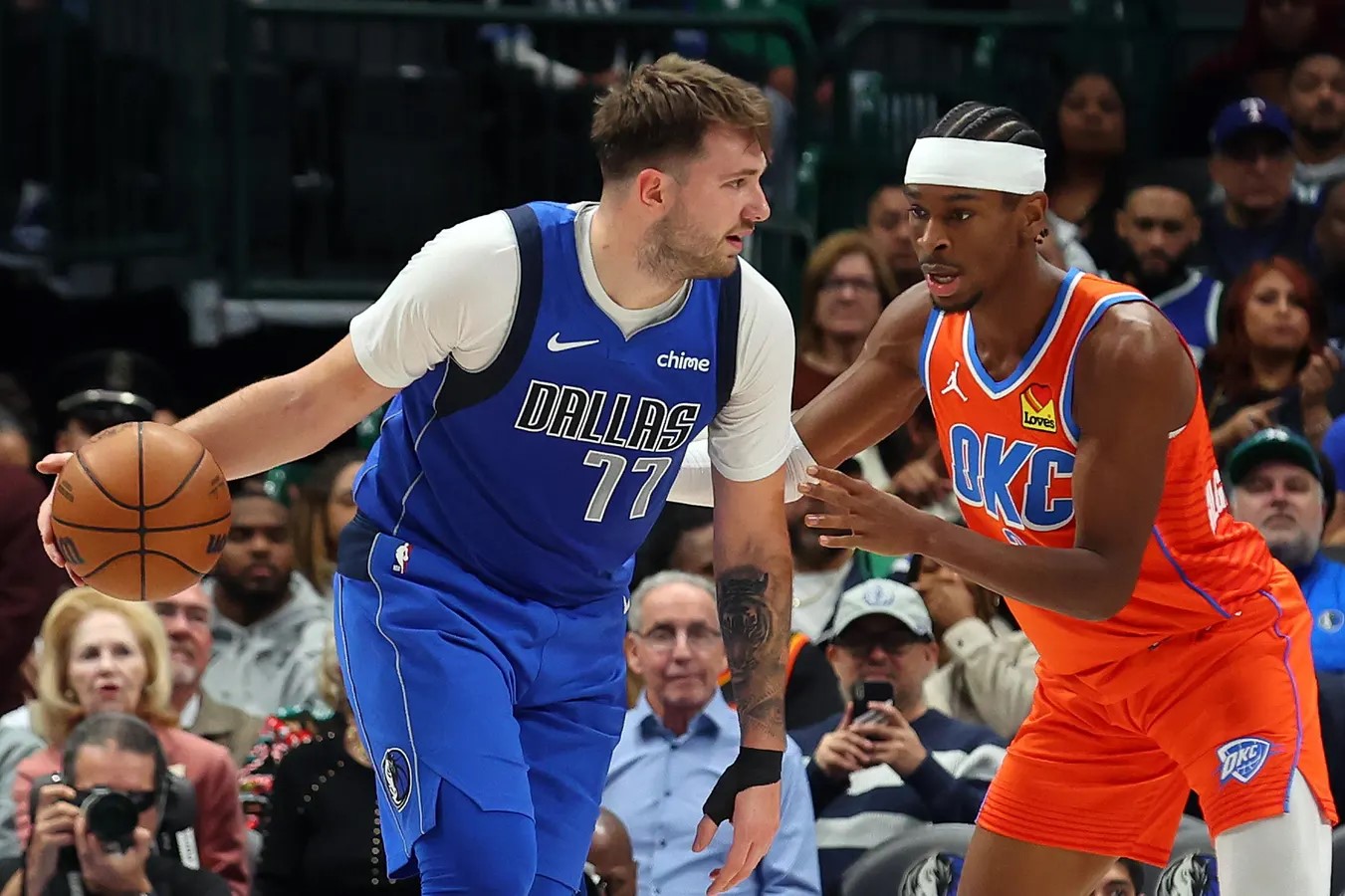
The NBA’s 65 game threshold for award eligibility is stirring debate this season, as the rule increasingly influences how MVP, Defensive Player, and Most Improved Player awards are determined. Introduced to reward consistent contributions throughout the regular season, the policy now faces criticism for penalizing stars who miss games due to injury or rest management.
Under the current rule, a player must appear in at least 65 of the standard 82 regular season games to qualify for major individual honors. While intended to encourage durability and commitment, the policy has unintentionally shifted the focus from quality of performance to quantity of appearances. Several high-performing athletes, despite posting exceptional statistics, have seen their award chances diminish due to minor injuries or strategic rest periods.
This has sparked a broader discussion about modern NBA scheduling and player health. Teams frequently manage minutes to protect players from fatigue and reduce the risk of long-term injury, particularly for superstars expected to perform at peak levels in the playoffs. Critics argue that the 65-game rule clashes with these health-conscious strategies, creating a tension between individual accolades and sustainable performance.
The rule’s impact is also seen in narrative shaping. Media coverage and fan debates increasingly hinge on whether players have “played enough games,” sometimes overshadowing discussions of skill, efficiency, or overall impact. Analysts suggest this could lead to more conservative statistical interpretations, where voters weigh appearances as heavily as actual contributions on the court.
Some propose reforms, such as prorating awards based on games played or allowing exceptions for injuries, to preserve fairness while still valuing consistency. Others maintain that the threshold ensures only players who consistently contribute throughout the season are recognized, reinforcing a standard of reliability in a grueling schedule.
The 65-game requirement highlights the evolving challenges in balancing performance metrics, player health, and award recognition. As the league adapts to longer seasons, load management strategies, and the increasing physical demands on athletes, the rule’s consequences will likely remain a hot topic in discussions about fairness and modern basketball culture.
Ultimately, the controversy underscores the tension between the traditional ideals of resilience and the practical realities of maintaining elite performance in today’s NBA. How the league addresses these concerns could shape the structure of awards and player evaluation for years to come.