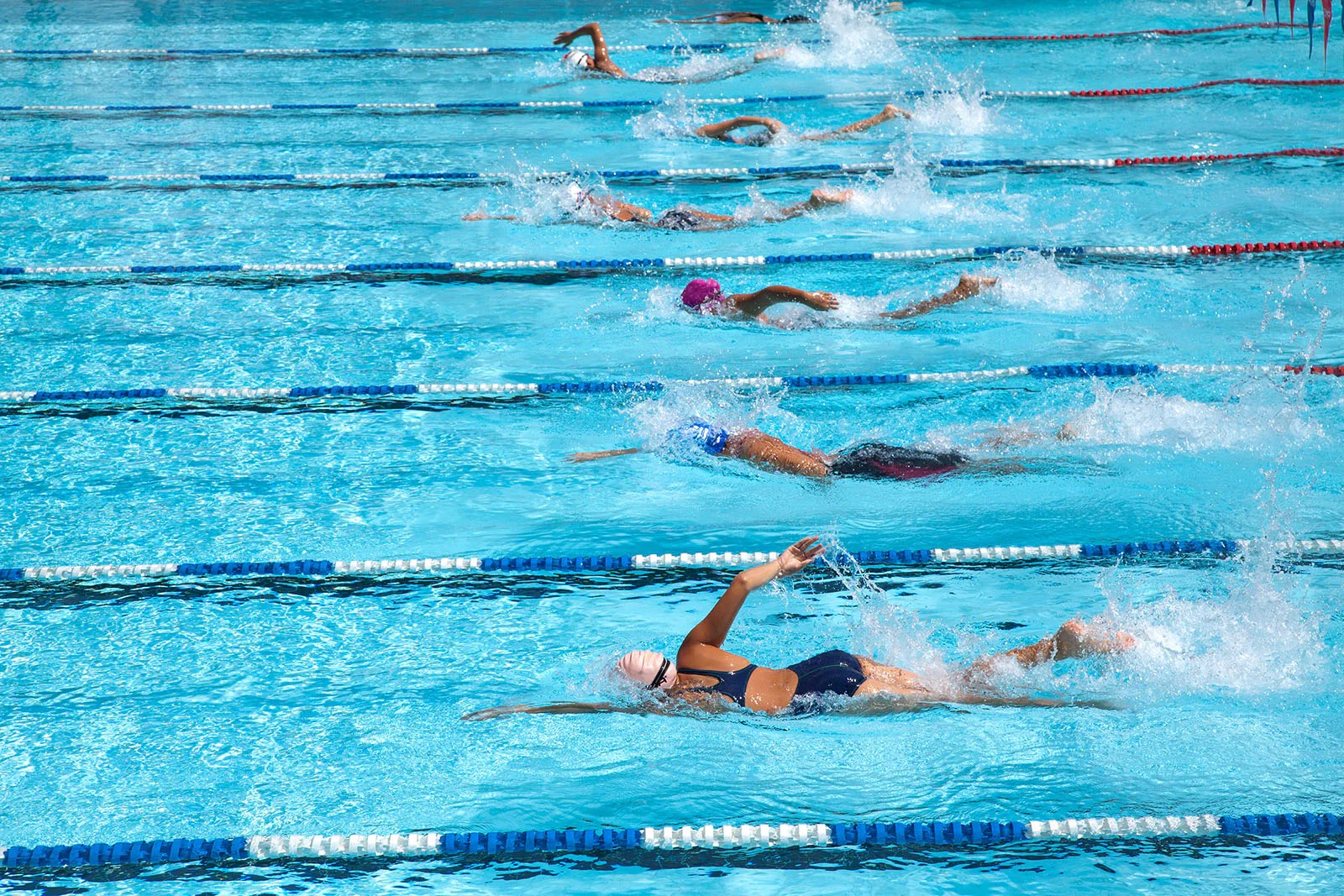
Swim faster is not always about increasing effort. In many cases, small technical mistakes quietly reduce efficiency and slow swimmers down without them realizing it. Identifying and correcting these hidden errors can lead to significant improvement.
One common issue is poor body alignment. When the hips or legs drop too low, it creates extra drag in the water. Maintaining a streamlined position, with the head neutral and body flat, helps reduce resistance and allows smoother movement forward.
Another overlooked factor is breathing technique. Lifting the head too high during a breath can disrupt rhythm and sink the body. Instead, rotating the head slightly to the side while keeping one eye in the water helps maintain balance and flow.
Hand entry and pull mechanics also play a major role. Entering the water with a stiff or misplaced arm can reduce propulsion. A relaxed entry followed by a controlled pull beneath the body ensures that each stroke contributes effectively to forward motion.
Kicking is often misunderstood. Some swimmers rely on excessive kicking, which leads to early fatigue without much speed gain. Efficient kicks should be compact and rhythmic, supporting the stroke rather than overpowering it.
Timing and coordination are equally important. When arms, legs, and breathing are out of sync, energy is wasted. Developing a consistent stroke rhythm helps maintain momentum and reduces unnecessary strain.
Many swimmers also rush their strokes, believing faster movement equals better speed. In reality, shortening each stroke can decrease efficiency. Focusing on longer, more controlled strokes often produces better results.
Another subtle mistake is tension. Tight shoulders and rigid movements limit flexibility and reduce fluidity in the water. Staying relaxed allows for smoother transitions and better overall performance.
Regular feedback is essential for improvement. Whether through a coach, video analysis, or self-awareness, identifying these hidden issues makes it easier to apply corrections effectively.
Swim is a sport where small details make a big difference. By refining technique and eliminating unnoticed errors, swimmers can unlock better speed, conserve energy, and enjoy a more effortless experience in the water.